
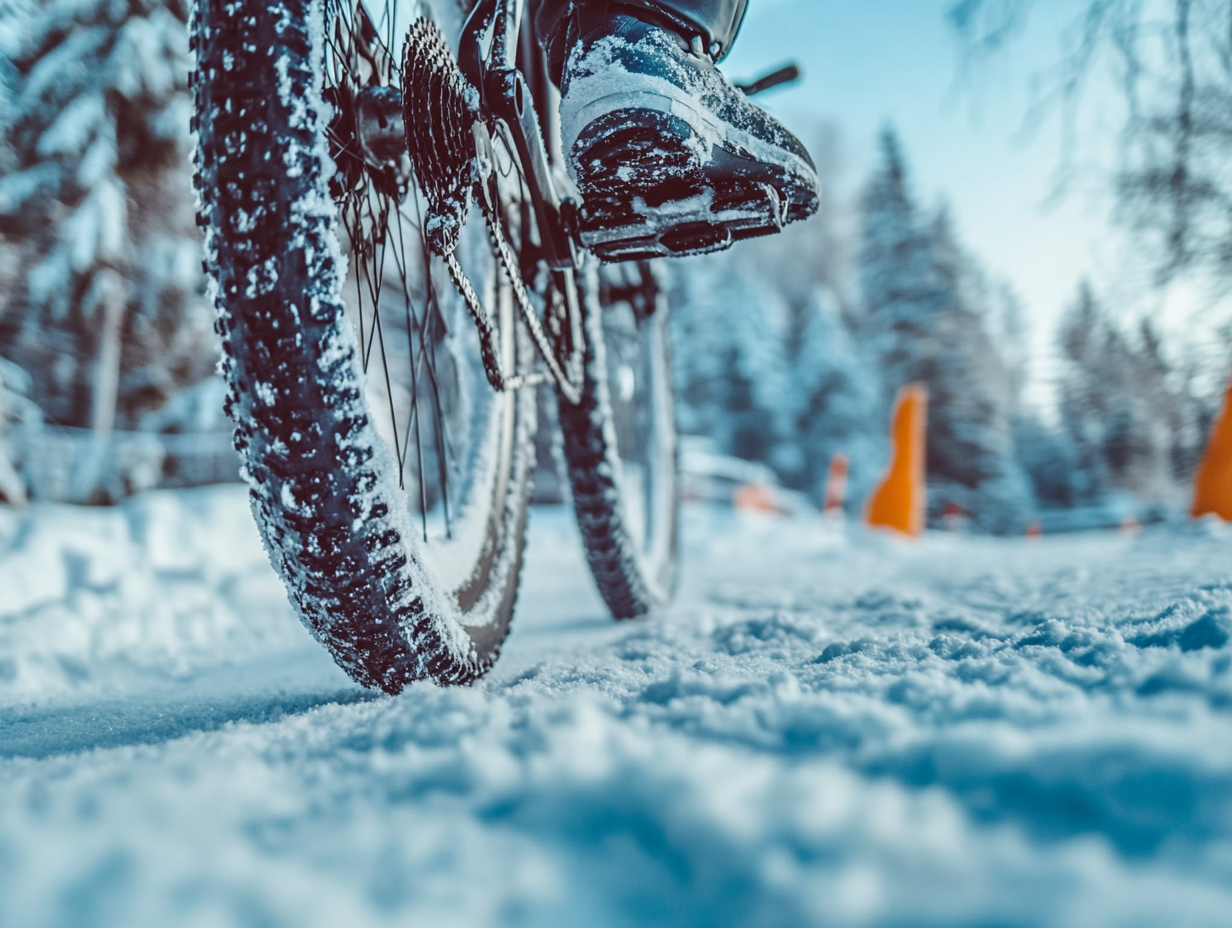
Cycling for Skiing Training — Boost Performance and Prevent Injury
Cycling offers a fantastic cross-training opportunity for skiing enthusiasts eager to boost their performance while reducing the risk of injuries. This low-impact cardiovascular exercise is a powerhouse for building endurance, strength, and agility—essential attributes for excelling on the slopes. By targeting major muscle groups such as the quadriceps, hamstrings, glutes, and calves, cycling promotes balanced muscular development, which directly translates into enhanced ski technique and increased stamina.
Incorporating cycling into a skier’s routine also significantly improves core stability and balance, all while enhancing joint flexibility without placing undue stress on the body. For those keen on avoiding common skiing injuries like knee strains or ligament tears, cycling in a controlled environment offers a safer yet challenging alternative. By engaging in structured cycling sessions that vary in intensity—from steady rides to interval sprints that mimic the demands of downhill skiing—athletes can thoroughly prepare for ski season, minimizing the risk of overuse injuries and maximizing their potential on the slopes.
Cycling can enhance skiing performance by improving anaerobic endurance and leg strength, which are crucial for maintaining control on slopes. It specifically strengthens quadriceps, hamstrings, and glutes—muscles vital for skiing efficiency and injury prevention.
Building Endurance and Stamina through Cycling for Skiers
| Topic Name | Description | Key Points |
|---|---|---|
| Cycling for Skiers | Cycling is a beneficial cross-training activity for skiers to build endurance and stamina. | Cycling boosts cardiovascular fitness, engages key lower body muscles, and is a low-impact exercise, reducing injury risks. |
| Cycling Training Regimen | Incorporating cycling into a training regimen can significantly improve aerobic capacity over time. | Steady-state rides and interval training can simulate skiing exertion, enhancing anaerobic power and recovery times. |
| Benefits of Cycling for Skiing | Cycling is a powerful tool for improving aerobic conditioning, crucial for building endurance and stamina in skiers. | Cycling improves cardiovascular efficiency, lung capacity, and respiratory function, contributing to improved skiing performance. |
| Building Muscular Endurance | Regular cycling fosters muscular endurance without undue strain on joints, advantageous for preventing injuries during intensive training. | Low-impact cycling offers robust aerobic benefits necessary for prolonged physical activities like skiing. |
| Long-Distance Cycling for Skiers | Long-distance cycling can significantly enhance skiing performance by building endurance and improving cardiovascular fitness. | Structured long-distance cycling routines help develop stamina. It is crucial to maintain proper form, gradually increase distances, and ensure adequate recovery. |
Aerobic Conditioning Benefits of Cycling
Cardiovascular and Respiratory Benefits
One of the primary advantages of cycling is its ability to increase heart and lung capacity. As cyclists maintain steady pedaling rhythms, they experience enhanced lung capacity and improved respiratory function. These factors are crucial as they directly contribute to improved endurance and stamina, enabling skiers to tackle challenging runs with greater ease and confidence.
Low-Impact Exercise with High Rewards
Another significant benefit of cycling is its low-impact nature, which reduces stress on joints compared to high-impact sports or exercises such as running. This makes cycling an excellent choice for amateur athletes who aim to prevent injuries while training intensively. Despite its gentle impact, cycling offers robust aerobic benefits that are crucial for prolonged physical activities like skiing.
Enhancing Muscular Endurance
Regular cycling not only builds cardiovascular endurance but also fosters muscular endurance without placing undue strain on the body. This is particularly beneficial for skiers who require sustained strength and agility. By incorporating varied intensity levels—such as interval sprints followed by moderate-paced rides—cyclists can further enhance their metabolic flexibility, supporting ski-specific energy demands efficiently and safely.
Practical Examples and Training Tips
For those looking to integrate cycling into their training regimen, consider a mix of long, steady rides to build endurance, and shorter, high-intensity sessions to improve power and speed. For instance, a weekly routine might include a 60-minute endurance ride at a moderate pace, complemented by two sessions of 30-minute high-intensity interval training (HIIT). These varied workouts ensure comprehensive conditioning, preparing skiers for the diverse demands of the slopes.
In conclusion, cycling offers a multifaceted approach to aerobic conditioning that is both effective and accessible. By incorporating cycling into their training, skiers and other athletes can enjoy enhanced cardio-respiratory health, improved muscular endurance, and a reduced risk of injury, all of which contribute to superior performance in their chosen sport.
Long-Distance Cycling Routines to Enhance Skiing Performance
Long-distance cycling can significantly enhance skiing performance by building endurance and improving cardiovascular fitness. For amateur athletes, incorporating a structured long-distance cycling routine into their training regimen helps develop the stamina required for prolonged periods on the slopes. Cycling engages major muscle groups such as quadriceps, hamstrings, and calves that are crucial in skiing. By pedaling over varying terrains at different intensities, cyclists mimic the energy demands faced while navigating ski trails.
To prevent injury during this cross-training practice, it’s essential to maintain proper form and gradually increase distances. Start with moderate rides of 20-30 miles once or twice a week before progressing to longer sessions. Ensure your bike is well-fitted to avoid strain on knees or back—common areas prone to injuries if not properly supported during long rides. Adequate hydration, stretching post-cycling sessions, and rest days will help muscles recover efficiently while reducing fatigue-related risks when transitioning from biking paths back onto snowy landscapes.
Cardiovascular Fitness and Energy Levels
The rhythmic nature of cycling plays a significant role in building cardiovascular fitness, a critical component for maintaining energy levels during long skiing sessions. As skiers know, the sport demands sustained physical effort, and cycling helps prepare the body to meet these demands. By engaging in consistent cycling workouts, skiers can improve their heart and lung efficiency, leading to enhanced endurance and prolonged energy availability on the slopes.
Muscle Engagement and Strength
Cycling extensively engages the lower body muscles, including the quadriceps, hamstrings, and calves. These muscle groups are vital for skiing performance, providing the strength and stability needed to navigate challenging terrains. Unlike high-impact exercises such as running or jumping, cycling is a low-impact exercise that reduces stress on joints. This makes it an excellent option for athletes, especially amateurs, who wish to minimize the risk of injury while still building muscle strength.
Aerobic Capacity and Interval Training
Incorporating cycling into a skier’s training regimen can lead to significant improvements in aerobic capacity over time. Engaging in steady-state rides at moderate intensity helps build endurance, while interval training—with varied speed bursts on inclines or flat surfaces—can simulate the exertion experienced during skiing. For example, interval cycling can mimic the short, intense bursts required during downhill runs, enhancing both anaerobic power and recovery times.
Practical Implementation and Benefits
To maximize the benefits of cycling for skiing, athletes can integrate a mix of long-distance rides and interval sessions into their weekly routine. For instance, a cyclist might engage in a 60-minute steady ride on one day and a 30-minute interval session on another, ensuring a balanced approach that targets both endurance and speed. This structured training not only enhances fitness but also keeps the workouts engaging and varied.
In conclusion, cycling is an effective and enjoyable way for skiers to build endurance and stamina. By improving cardiovascular fitness, strengthening key muscle groups, and enhancing aerobic capacity, cycling prepares skiers for the physical demands of the slopes. Whether you are an amateur skier or a seasoned pro, integrating cycling into your training regimen can lead to noticeable improvements in your skiing performance.
Enhancing Lower Body Strength with Targeted Cycling Workouts
Incorporating cycling into a skiing training regimen can be a game-changer for athletes looking to enhance their lower body strength, a critical component for excelling on the slopes. Cycling specifically targets vital muscle groups such as the quadriceps, hamstrings, glutes, and calves, all of which are essential for maintaining stability and control while skiing. By engaging in specific cycling workouts like hill climbs and interval sprints, athletes can efficiently build endurance and power, simulating the resistance encountered on skiing terrain while minimizing joint stress—an ideal scenario for amateur athletes seeking performance gains without the risk of injury.
- Benefits of Cycling for Ski Training
- Targets Lower Body Muscles – Focuses on quadriceps, hamstrings, glutes, and calves.
- Builds Endurance and Power – Through hill climbs and interval sprints.
- Minimizes Joint Stress – Reduces injury risk while gaining strength.
Key Muscle Groups Targeted
Cycling is a comprehensive workout that engages multiple muscle groups simultaneously. The quadriceps and hamstrings play a crucial role in controlling knee movements, while the glutes and calves aid in stability and power generation. Through targeted cycling exercises—
- Hill Climbs— These mimic the resistance faced during uphill skiing, requiring powerful leg drives and sustained muscular engagement, which translates into improved strength and endurance.
- Interval Sprints— These short bursts of high-intensity cycling are excellent for building explosive strength, crucial for navigating sharp turns and executing jumps on the slopes.
- Specific Cycling Exercises
- Hill Climbs – Improve strength and endurance by mimicking uphill skiing resistance.
- Interval Sprints – Build explosive strength for navigating sharp turns and jumps.
Adjustable Intensity Levels
One of the standout features of cycling is its adjustable intensity, which caters to athletes at various fitness levels. For beginners or those focusing on cardiovascular health, low-resistance sessions are beneficial. These sessions build stamina, essential for enduring prolonged activities at high altitudes. Conversely, high-resistance pedaling sessions demand significant muscular force from the legs, simulating the challenges of uphill skiing and contributing directly to enhanced explosive strength.
- Intensity Adjustments in Cycling
- Low-Resistance Sessions – Beneficial for beginners; focus on cardiovascular health and stamina.
- High-Resistance Sessions – Simulate uphill skiing challenges; enhance explosive strength.
Joint and Ligament Strengthening
Regular targeted cycling workouts also play a crucial role in fortifying ligaments around the knee joints. This is particularly important as these areas are vulnerable during the abrupt movements characteristic of skiing. Strengthening these ligaments not only boosts athletic capacity but also helps prevent common ski-related injuries such as ACL tears or strains. By incorporating cycling into their training, athletes develop a robust joint support system, vital for both performance and injury prevention.
- Benefits for Joints and Ligaments
- Strengthens Ligaments – Essential for knee joint protection during skiing.
- Prevents Injuries – Helps avoid ACL tears or strains common in skiing.
In summary, targeted cycling workouts offer a multifaceted approach to enhancing lower body strength, crucial for skiing performance. By focusing on key muscle groups and offering adjustable intensity levels, cycling not only builds endurance and explosive power but also fortifies the joints, making it an indispensable component of any skier’s training regimen.
Muscle Groups Engaged in Both Sports — A Comparison
Key Muscle Groups
Both cycling and skiing primarily target the quadriceps, hamstrings, glutes, and calves. These muscles play pivotal roles in the performance and safety of athletes in both disciplines—
- Quadriceps— In skiing, the quadriceps are essential for maintaining stability and control during turns and managing steep descents on varied terrain. Similarly, in cycling, the quadriceps are heavily engaged during the pedaling process, especially when climbing or accelerating. This repetitive motion in cycling helps build endurance and strength in the quads, which translates effectively to skiing.
- Hamstrings— These muscles work in conjunction with the quadriceps to stabilize the knee joint. In skiing, hamstrings contribute to the dynamic balance needed for sharp turns and quick stops. Cyclists rely on their hamstrings for the upward pull in the pedaling motion, which helps maintain a smooth and efficient cycling cadence.
- Glutes— Skiing demands strong glutes for explosive movements and to provide power during jumps or when navigating challenging slopes. Cycling, on the other hand, consistently activates the glutes through prolonged periods of pedaling, which enhances their strength and endurance.
- Calves— The calves play a critical role in both sports for balance and propulsion. In skiing, they assist in maintaining proper posture and provide the necessary push-off power during maneuvers. During cycling, the calves contribute to the pedaling force, particularly in the downstroke phase.
Benefits of Cross-Training
Focusing on these shared muscle groups in a controlled environment like cycling can be particularly beneficial for skiers. By enhancing muscular endurance without the excessive impact stress found in high-impact activities, cycling serves as an effective cross-training tool. This can be especially advantageous for amateur athletes aiming to transition into skiing with minimized injury risk.
Injury Prevention and Performance Enhancement
Incorporating targeted cycling workouts into a training regimen helps build strength gradually while maintaining joint health. For instance, low-resistance cycling can improve aerobic capacity and muscular endurance, while higher resistance sessions can increase muscle strength and power. This balanced approach ensures that athletes can enjoy both sports safely over time, with reduced risk of strains or injuries.
In conclusion, understanding the overlapping muscle engagement in cycling and skiing allows athletes to tailor their training programs more effectively. By leveraging the advantages of both sports, individuals can enhance their overall performance and enjoy a healthier, more sustainable approach to physical activity.
Power-Building Intervals on the Bike for Stronger Carving
Power-building intervals on the bike are a potent tool for enhancing lower body strength, crucial for stronger carving in skiing. This workout involves alternating between short bursts of high-intensity pedaling and periods of lower intensity or rest. By mimicking the explosive force needed during ski turns, these intervals boost muscle power in your quads, hamstrings, and calves—the same muscles that drive efficient carving down slopes.
For amateur athletes focused on injury prevention while training for skiing, power-building intervals also improve cardiovascular endurance without excessive joint strain typical of weight-bearing exercises. Incorporating proper warm-ups before starting these sessions minimizes risks associated with sudden exertion. Gradually increasing interval intensity ensures sustainable progress and helps avoid overtraining injuries common among eager amateurs attempting to push limits too quickly.
Incorporating Flexibility and Balance Techniques into Your Routine
Integrating Core Stability Exercises During Cycle Sessions
Integrating core stability exercises during cycle sessions can significantly enhance your skiing performance. A strong core is vital in maintaining balance and control on the slopes, reducing the risk of falls and injuries. While cycling, you can incorporate simple yet effective core workouts like planks or seated leg lifts without interrupting your ride. These activities engage abdominal muscles, improve posture, and promote overall body alignment.
Additionally, focusing on breathing techniques while performing these exercises ensures better oxygen flow to muscles engaged both in cycling and skiing. Controlled breathwork aids endurance by minimizing muscle fatigue during prolonged physical activity. By embedding these targeted routines into regular cycle training for skiing preparation, amateur athletes develop greater resilience against common ski-related injuries such as lower back strain or knee discomfort—resulting in a safer sporting experience overall.
In the grand orchestra of athletic training, cycling is that unsung hero playing a pivotal role in preparing skiers for their winter performances. By enhancing cardiovascular endurance and building lower body strength without straining those delicate joints, it’s like finding a secret shortcut to skiing prowess minus the pitfalls of injury. As much as we love those powdery slopes, it’s crucial not to overlook this invaluable off-season ally; after all, who knew pedaling could pave such smooth trails on snowy terrains?
Cycling— A Foundation for Endurance and Strength
Cycling is an excellent low-impact cardiovascular exercise that builds endurance and strengthens leg muscles, making it a popular choice for athletes. However, while cycling is beneficial for cardiovascular health and muscular endurance, it does not engage the dynamic range of movements that skiing demands. Skiing requires flexibility and stability to navigate various terrains confidently.
Bridging the Gap with Flexibility
To bridge this gap, incorporating targeted stretching exercises before and after cycling sessions is crucial. Prior to beginning your cycling workout, dynamic stretches such as leg swings or torso twists can effectively warm up your muscles. These movements prepare your body for the workout ahead by increasing blood flow and activating the muscles you’ll be using.
After completing your cycling session, focus on static stretches that target key muscle groups such as the hamstrings, quadriceps, calves, and lower back. These stretches promote muscle recovery by improving circulation and reducing stiffness—key factors in maintaining agility and flexibility during skiing maneuvers. For instance, a seated hamstring stretch or a standing quadriceps stretch can make a significant difference in how your muscles feel and function.
Enhancing Balance for Better Skiing Performance
Balance training is another vital component of a well-rounded routine, as it enhances proprioception—the body’s ability to perceive its position in space—and strengthens the core, both of which are essential for skiers. Unpredictable slopes demand quick adjustments and a strong sense of balance. Simple practices, such as standing on one leg while brushing your teeth or using a balance board, can greatly improve your equilibrium. These exercises might seem subtle, but they contribute significantly to your ability to transition smoothly from cycling paths to snowy trails.
Comprehensive Athletic Capabilities
By integrating these flexibility and balance techniques into your routine, you ensure that your cycling sessions contribute more effectively to your skiing training. These adjustments help you gain comprehensive athletic capabilities, allowing you to enjoy your sporting journey without compromising your safety or health. Whether you’re an amateur athlete or a seasoned skier, these practices will support your performance and keep you injury-free as you take on new challenges.
Why pause your journey now? Our website is a gateway to a wealth of insights designed to elevate your sports performance while prioritizing your safety. Whether you’re an amateur athlete aiming to refine your skills or someone passionate about maintaining a safe fitness regimen, our comprehensive resources are here to guide you every step of the way. Discover expert tips that help you navigate the complexities of sports safely, and perhaps even incorporate cycling into your year-round routine to boost results across diverse disciplines. Your next breakthrough is just a click away—explore it today!